
Mine Slot nowe konto PL is a standalone mining-themed slot game, and what makes it worth a closer look is how lock-and-spin mechanics can shift the rhythm of a session. I treat it as a game-first review: theme, grid, win rules, RTP, volatility, bonus features, bet range, and max win. Because the title emphasizes lock and spin features, I will illustrate how those features usually work, what they impact volatility, and how to test them without guessing. I will not assume every build has identical numbers. Instead, I will point out what to verify in the paytable and game info panel. If you want a practical read on Mine Slot rather than marketing language, this is the approach I take, and I will keep the focus on the game itself rather than anything around it. That renders the advice usable whether you are exploring the demo or playing for real.
Mine Slot’s Theme and Core Game Rhythm
On the base game, I start with the mining theme because it indicates what to expect from symbol hierarchy and pacing. Mine Slot uses a underground-gear aesthetic, so I review the paytable for the real high and low symbols rather than presuming a gem is premium. właśnie tutaj I look at whether low symbols are card-style icons or mining tools, how often premium symbols appear, and whether the base game returns frequently but small or rarely but larger. The pace matters: a base game that sustains the reels moving with modest returns makes lock-and-spin triggers feel like a genuine change of gear. I also look for dead-spin clusters and near-miss teases, because those influence how volatile the session plays in practice. The theme is not just ornament here; it defines the feature, and I employ it to determine whether the game’s pace fits a short test or a longer session.
Lock & Spin Mechanics Step-by-Step
Lock and spin is the mechanic I aim to learn first, because it alters the strategy around wager size. The core idea is simple: specific symbols stay fixed, then you get respins while the locked group stays on screen. If more lock symbols land, the respin total typically resets, and the round continues until the respins are exhausted or the grid is full. In Mine Slot, I verify whether the function is activated by a symbol count, a scatter combo, or a chance event, and whether it is purchasable directly where that option exists. I also verify whether pinned symbols carry cash values, multipliers, or jackpot tags, because that changes the feature’s ceiling. As comparisons, I contrast established lock-and-spin games from Relax Gaming and Push Gaming, but Mine Slot’s own paytable stays the reference. The steps below is the one I employ to assess any lock-and-spin game without presuming details that are not in the paytable.
- Confirm the initiation and whether it can occur in the base game.
- Note the beginning respin total and reset rule.
- Review what pinned symbols are worth and whether they combine.
- Look for multiplier symbols, jackpot symbols, or collector symbols.
- Confirm the feature cap and any max win rule.
Wild icons, Scatter symbols, Multiplier icons, and Free Spins
Wilds, scatters, multiplier icons, and free spins are the backup elements, and I examine each one on their own because they do various functions. A wild symbol stands in for normal symbols to form a win; a scatter symbol usually triggers or re-activates a bonus and might pay in any position. Multiplier symbols can be applied to winning lines, special round rewards, or the whole round, so I check in which part they are linked. Bonus spins may run on the same reel set or a modified set of reels, and this variation is important because a bonus-only reel configuration can shift risk level. In Mine Slot, I search for whether the lock-and-spin feature is the main feature or one of multiple, and if free spin rounds can re-trigger. I also verify whether multiplier icons are summed or compounded, because this is the distinction between a minor enhancement and a major limit. The list that follows is my quick feature audit prior to I judge the game’s bonus density.

- Wild rules: substitution scope and any multiplier attached.
- Rules for scatters: activation count, payment, and retrigger role.
- Bonus spins: beginning amount, retrigger rule, and reel modifications.
- Multipliers: when they take effect and if they stack.
- Bonus limits: highest payout, prize cap, or maximum rounds.
Paylines and reels, Paylines, and Ways-to-Win
Reels and paylines, paylines, and ways to win are the rules I verify before pressing the spin button. Mine Slot’s exact layout belongs in the paytable, so I do not take for granted a standard five-reel, three-row setup just because it is standard. I verify the number of reels and rows, then identify whether wins are paid on fixed paylines, adjustable paylines, or ways-to-win. Fixed lines are easy to budget because the cost per spin is fixed; adjustable lines can decrease the stake but also cut coverage. Ways-to-win usually payout for matching symbols on adjacent reels from left to right, and that affects how often you see a return. I also verify whether scatter symbols payout anywhere, whether line wins must begin on reel one, and whether the lock-and-spin feature uses the same grid or a separate layout. Those details dictate whether a near miss is genuinely close or just visual noise.
Stake Limits, Maximum Payout, and Fund Management
Stake limits and maximum payout are where I focus about budget. The slot should display a bet selector with a lowest and highest bet, and I review both before spinning. The minimum shows whether I can test the feature at low cost; the highest shows whether the slot is made for VIP rounds. I do not presume a set amount, because the same slot can be set up differently across versions. Maximum payout is equally important: I look for a announced ceiling, whether it is given as a multiplier of stake or a set sum, and whether the lock-and-spin mechanic is the path to that ceiling. A large top prize with low trigger frequency is not necessarily best; it can mean extended droughts. I also check whether any jackpot is fixed or increasing, because progressive prizes change the risk profile. I establish a play budget, choose a wager that enables me to observe enough spins for the mechanic to emerge, and avoid pursuing a cap that the prize table does not definitely confirm.
Theoretical payout Variance, and Playthrough Projections
Theoretical payout and fluctuation are the two values I handle as preparation instruments, not assurances. For Mine Slot, I review the in-game info panel for the stated RTP because the same title can appear in different builds with different numbers. If no value is displayed, I consider any quoted number as unconfirmed. In the wider slot market, RTP often lies around 94% to 96.5%, but I do not apply that band onto this game. nasza rekomendacja Fluctuation is simpler to feel than to label: low fluctuation tends to produce regular smaller wins, while high volatility depends on more uncommon, larger swings. Lock-and-spin features usually move a game toward the higher end because the mechanic can lengthen with each locked icon. I evaluate fluctuation with a demo session and monitor how often the mechanic triggers, how long the base game pauses, and whether my funds lasts long enough to witness the system. That is more helpful than disputing about a single percentage point.
How to Experience Mine Slot and Judge the Lock-and-Spin Match
To play Mine Slot, I start in demo mode, access the paytable, and confirm the grid, win rules, RTP, volatility label, bet range, and feature triggers. Then I conduct a short session at a low stake and note how often the lock-and-spin feature shows up, how many respins I obtain, and whether the locked symbols appear meaningful. I change stake only after I understand the pace. If the feature is the reason I am playing, I see whether it can be purchased directly and what that costs relative to my budget. I also compare the base game’s hit rate with the feature’s payout profile, because a game can appear generous in the bonus and deprive the base game. The aim is not to force a big win; it is to determine whether the lock-and-spin loop fits my tolerance for swings and my session length.
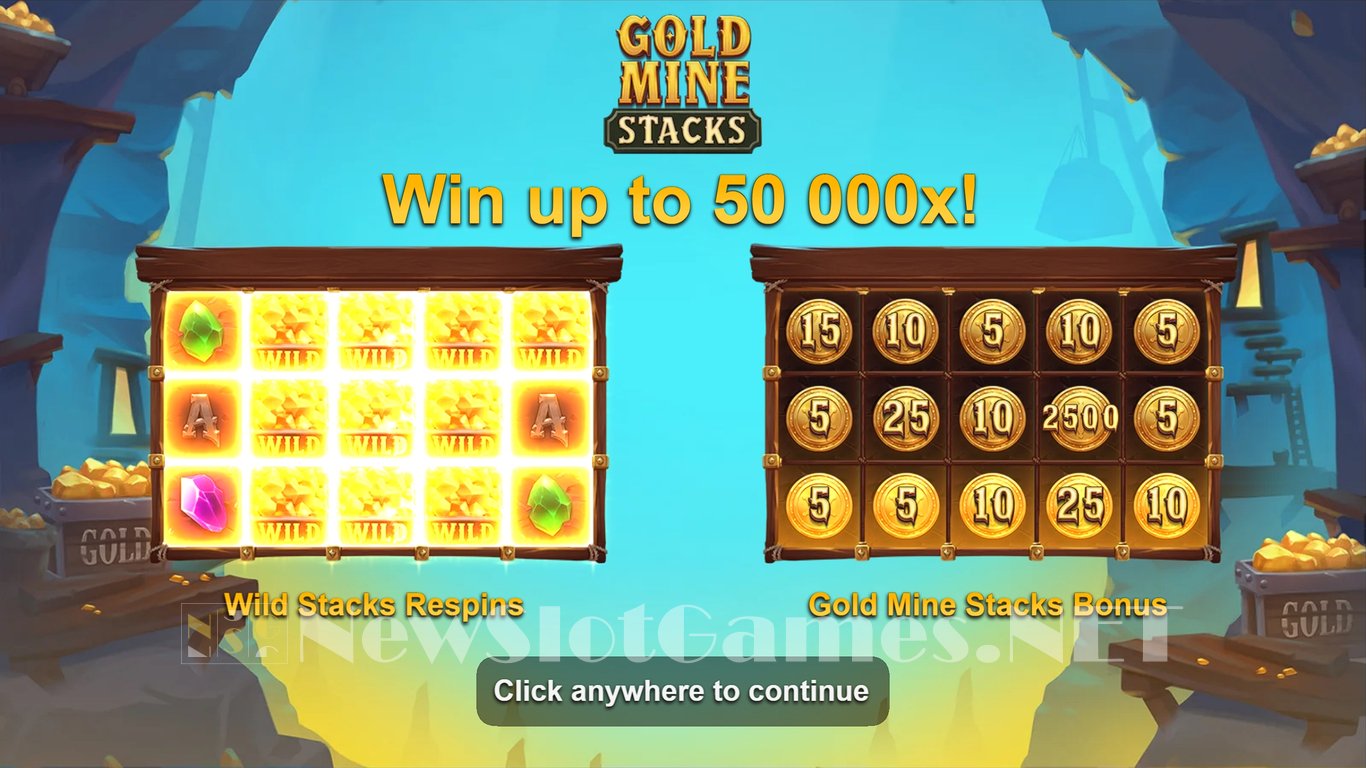
My key insight is that Mine Slot should be judged by how its lock-and-spin loop behaves, not by a headline number alone. I would verify the paytable first, test the feature in demo, and only then pick a stake that aligns with the volatility I actually saw. If the trigger feels too rare for your budget, cut the session or switch; if the respin resets and symbol values align with your tolerance, the game has a clear purpose in a session. The concrete next step is simple: start Mine Slot, review the info panel, and run a low-stake test centered on the lock-and-spin round before boosting your bet. That single test tells you more than any promotional claim because it demonstrates the real trigger rhythm, the respin resets, and the size of the feature payouts in the version you are actually playing.
Comments are closed